
Turdidae (Thrushes and Allies)
Turdidae (Thrushes and Allies)
Turdidae is a family of small to medium-sized songbirds that includes thrushes, bluebirds, robins, solitaires, and related species. Members of this family are recognized by a combination of upright posture, rounded bodies, straight bills, often musical voices, and a frequent association with open ground, woodland edges, or forest understory.
They are most often associated with woodlands, forest openings, field edges, orchards, parks, and other habitats where perches, ground-foraging areas, shrubs, or fruiting trees are available.
In the field, they are frequently identified by shape, movement, habitat, and voice as much as by plumage.
Orientation
These notes emphasize field recognition, behavior, and comparison across species, rather than a complete taxonomic treatment.
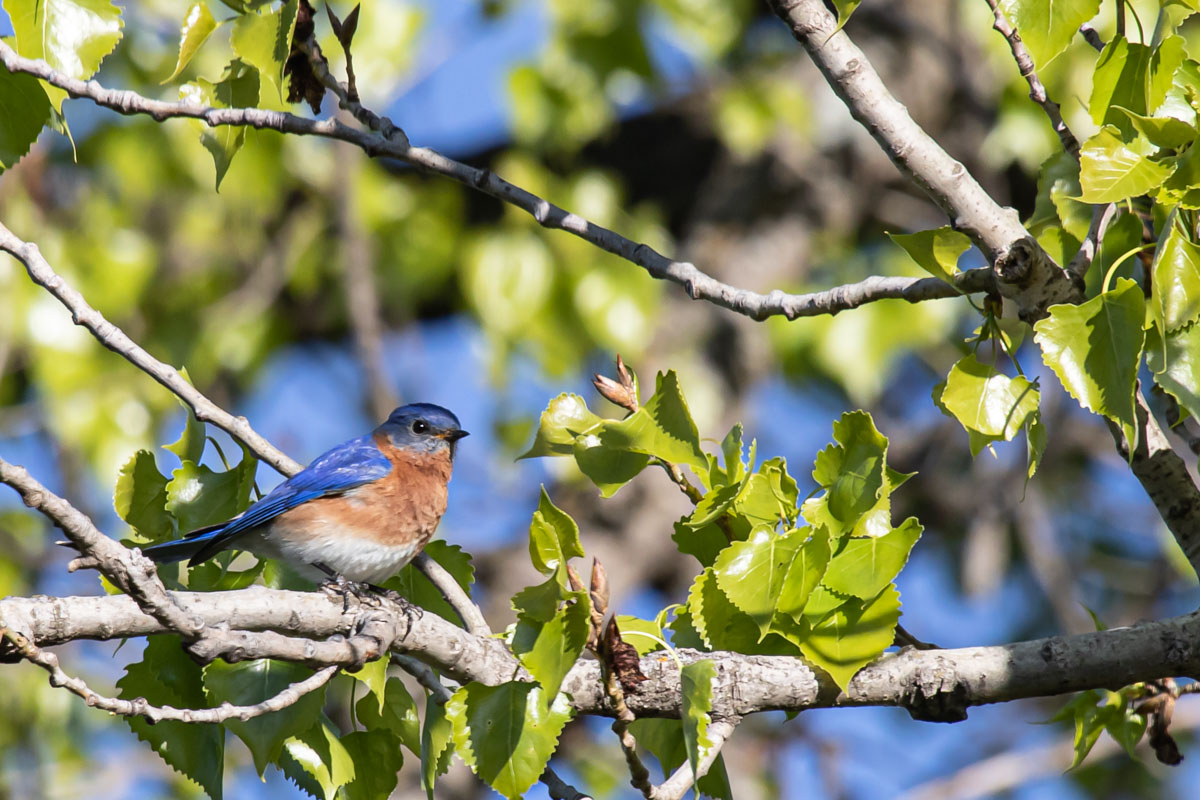
General Characteristics
- Size: Small to medium-sized songbirds, ranging from compact bluebirds to larger robin-like thrushes
- Bill: Usually straight, slender to moderately stout, and suited for insects, invertebrates, and fruit rather than heavy seed-cracking
- Plumage: Often soft-patterned, with some species showing spotted breasts, warm brown or gray tones, or strong blue, orange, or rusty coloration
- Voice: Many species have musical songs, often clear, fluted, warbled, or ringing
- Flight: Generally direct and purposeful, with some species moving between exposed perches and feeding areas on or near the ground
Habitat and Range
Members of this family are most often encountered in:
- Woodlands and forest edges
- Open fields with scattered trees or perches
- Parks, orchards, pastures, cemeteries, yards, and nest-box trails
Seasonal patterns may include:
- Breeding habitat: cavities, shrubs, woodland understory, forest openings, or open country depending on species
- Migration tendencies: some species are year-round or partial residents, while others are primarily migrants or summer breeders in Minnesota
- Winter distribution: fruiting trees, sheltered edges, and open areas may become important where species remain during colder months
Birds are often detected first by sound, movement, or habitat context, especially in dense woods or visually complex spring foliage.
Field Recognition
Key features for identifying this family:
- Shape: Rounded body, relatively large head, upright posture, and a generally balanced thrush-like silhouette
- Bill: Straight and pointed, usually not conical like a sparrow or finch bill
- Plumage: May include spotted underparts, warm rusty tones, gray-brown upperparts, blue upperparts, or pale bellies depending on species
- Movement: Frequent ground-foraging, perch-and-drop hunting, or quiet movement through branches and understory
- Voice: Songs are often musical and carrying; calls may be soft, thin, chuckling, or low depending on species
- Behavior: Many species feed on insects and other invertebrates during warmer months and shift more heavily toward berries and fruit in fall or winter
In many cases, behavior and habitat are more reliable than color alone, especially where species show variation between sexes, ages, or seasonal plumages.
Movement and Flight
- Flight: Usually direct between perches, trees, shrubs, or feeding areas
- Perching: Often upright, either on exposed perches such as branches and fence lines or concealed within woodland cover
- Foraging: Many species forage on or near the ground, taking insects, worms, and other invertebrates; some also feed heavily on berries and small fruits
- Display: Songs, territorial perching, cavity use, and seasonal pair behavior may be important field cues during the breeding season
Movement patterns are often diagnostic and can allow identification before plumage details are visible.
Similar Families
This family may be confused with:
- Mimidae: Mockingbirds, catbirds, and thrashers may share gray or brown plumage and fruit-eating habits, but often have longer tails, different posture, and more varied mimicry-based vocalizations
- Muscicapidae: Some Old World chats and flycatchers resemble thrushes, but family placement and field marks depend on region and taxonomy
- Cardinalidae: Blue birds such as Indigo Bunting may be confused with bluebirds, but buntings have heavier seed-eating bills and a different body shape
Distinction is often based on structure, behavior, and voice, rather than plumage alone.
Species
Turdus migratorius (American Robin)
A familiar, widespread thrush of open country, woodland edges, and urban areas. Males and females have distinct plumage patterns.
Sialia sialis (Eastern Bluebird)
A small, upright thrush of open country, often seen on low branches, fence lines, wires, or nest boxes. Males are vivid blue above with a warm rusty breast, while females show the same pattern in softer gray-blue and muted orange-brown tones.
Notes
- In Minnesota, Turdidae includes familiar open-country birds such as Eastern Bluebird as well as woodland and migrant thrushes.
- Sex differences can be important in bluebirds, where males are brighter and females are more subdued.
- Thrushes are often detected by voice, especially in wooded habitats where the bird may be partially concealed.
- Posture and feeding behavior are useful field marks: many species pause upright, watch from a perch, or forage quietly on the ground.
- Berries and small fruits become especially important for many members of this family outside the peak insect season.
References
-
Cornell Lab of Ornithology – All About Birds
https://www.allaboutbirds.org -
eBird
https://ebird.org -
Birds of the World / regional atlas as needed
https://birdsoftheworld.org