Fungi
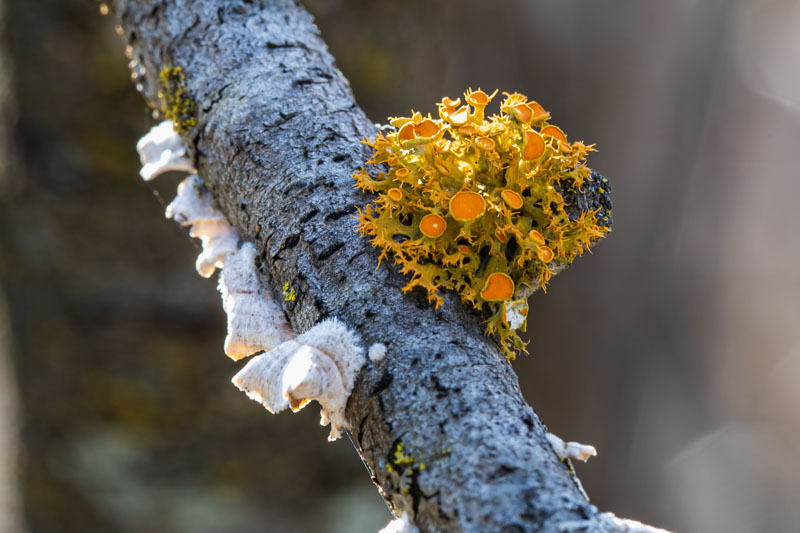

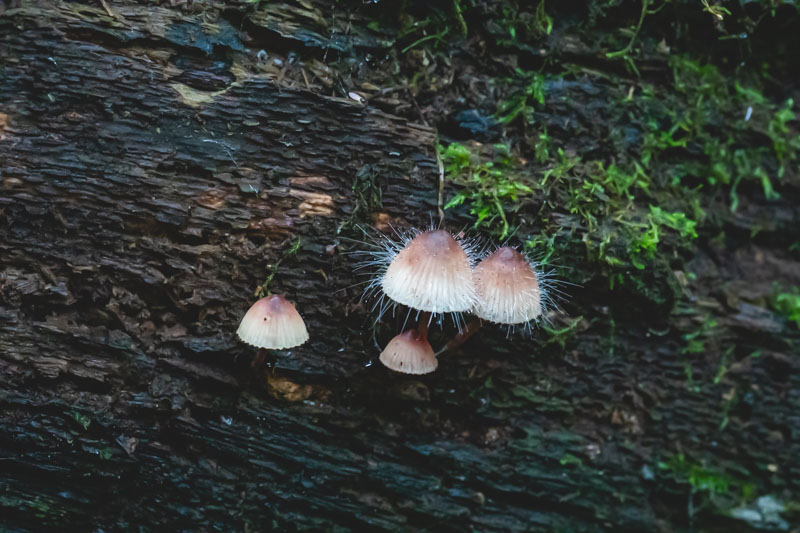
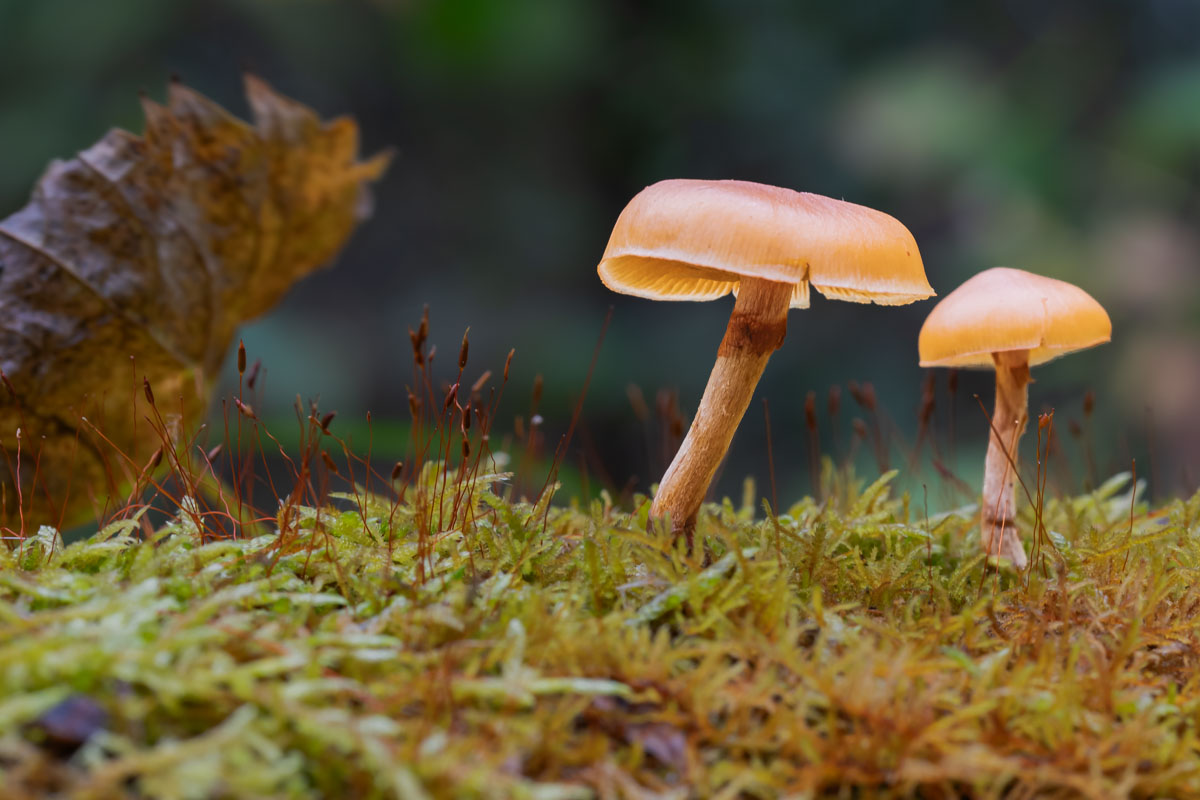
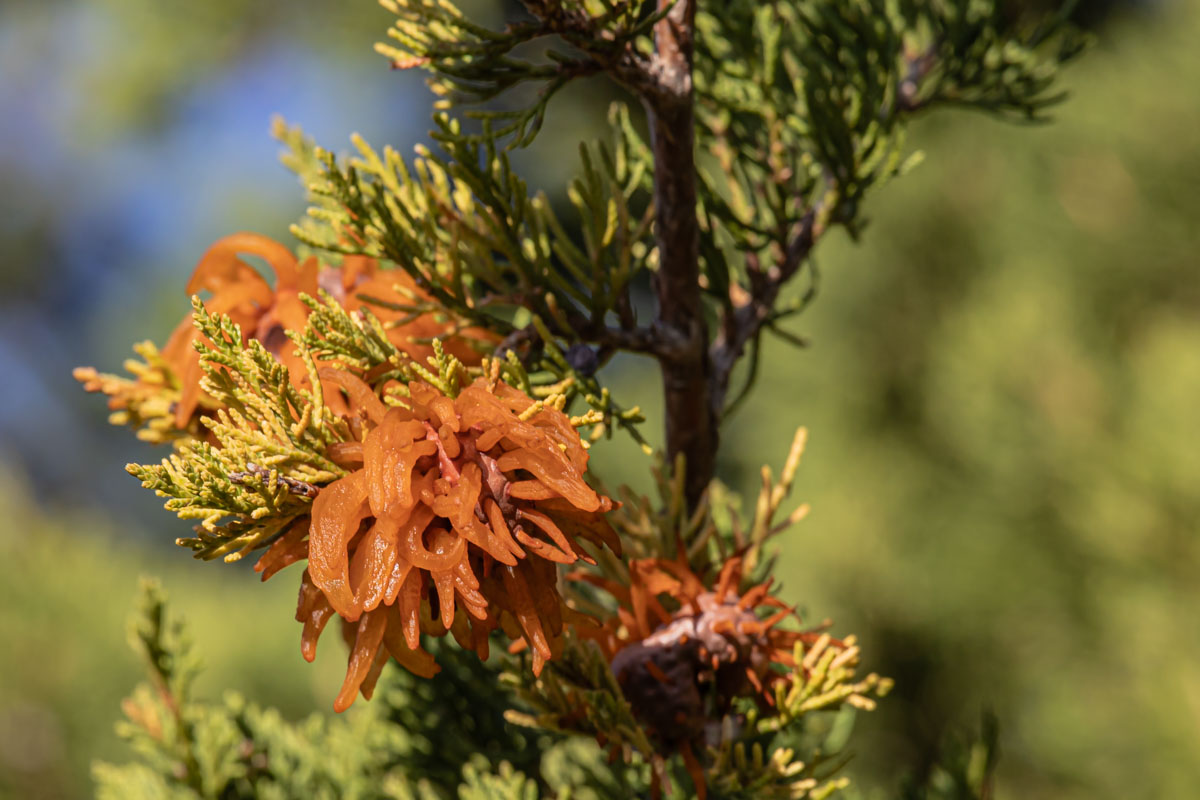
Fungi are a diverse kingdom of organisms that play crucial roles in ecosystems as decomposers, symbionts, and pathogens. This gallery features a variety of fungi, including mushrooms, lichens, rusts, and mosses, showcasing their unique forms and ecological significance.
Crust Fungi
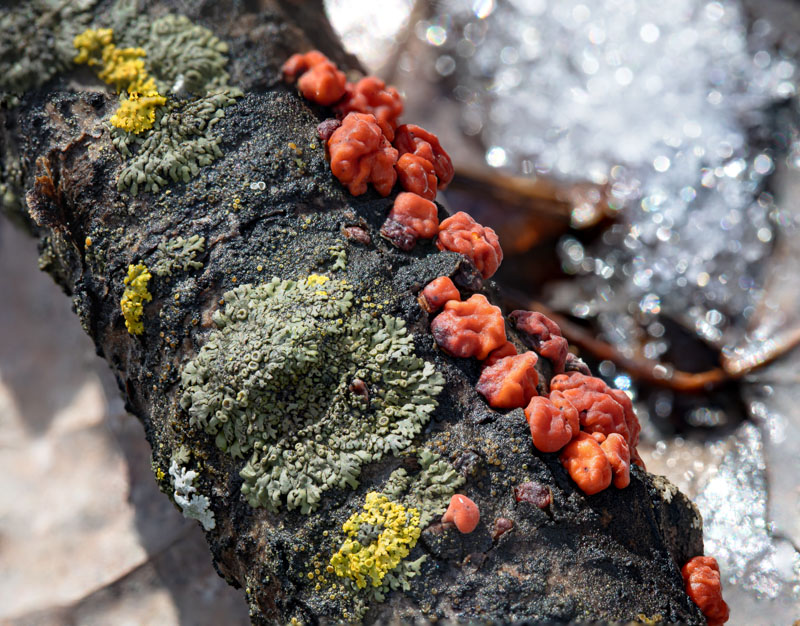
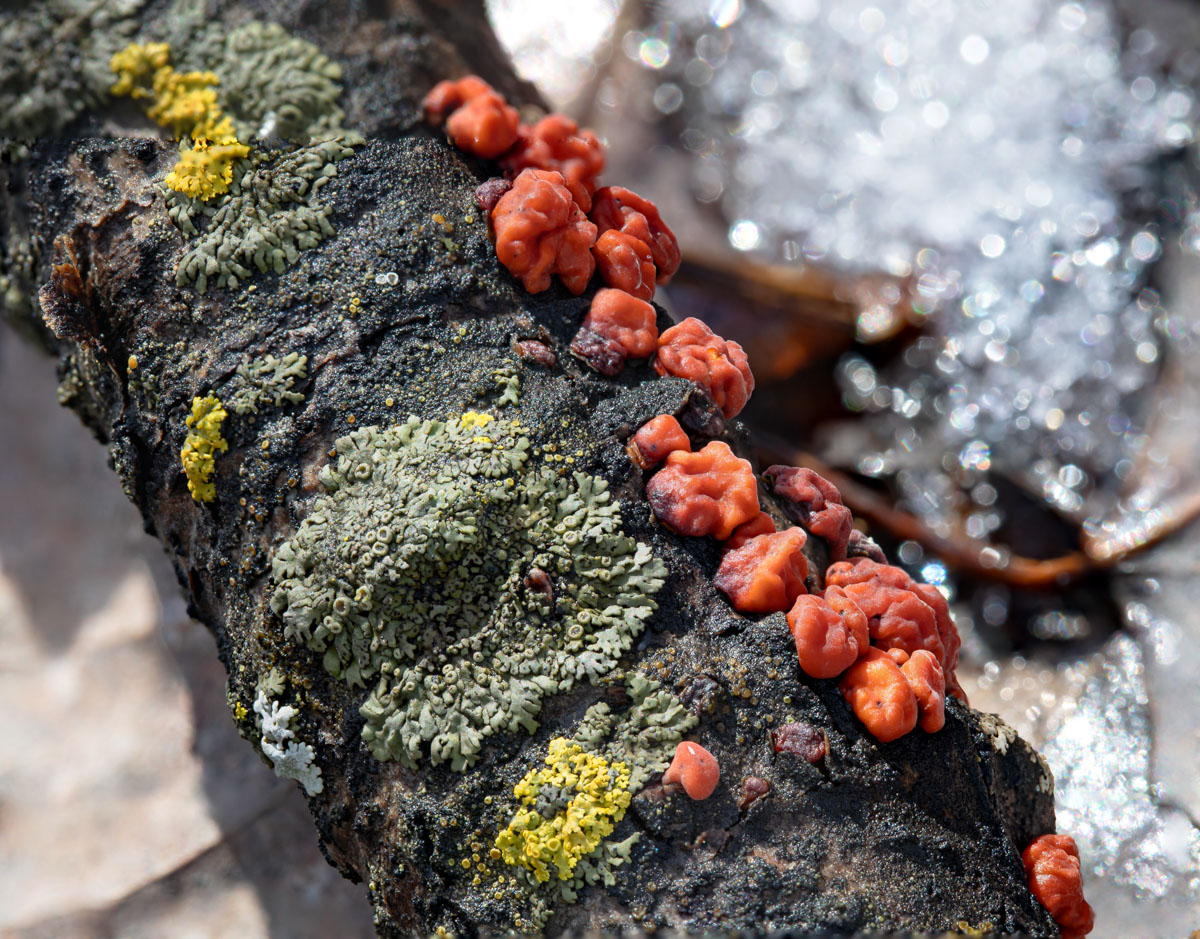
Cinnabar Cushions in a Lichen Garden
Clusters of Peniophora rufa forming cinnabar cushions among foliose and crustose lichens on oak bark.
Clusters of *Peniophora rufa* form small cinnabar-colored cushions along the fissures of a weathered oak twig. The fungus grows directly on the bark, where its wrinkled surface contrasts with the surrounding community of lichens. Gray foliose lichens and tiny yellow crusts share the same patch of bark, creating a miniature landscape of color and texture. Such bark microhabitats often support several organisms at once, with fungi and lichens occupying different niches on the same piece of wood.
Lichens
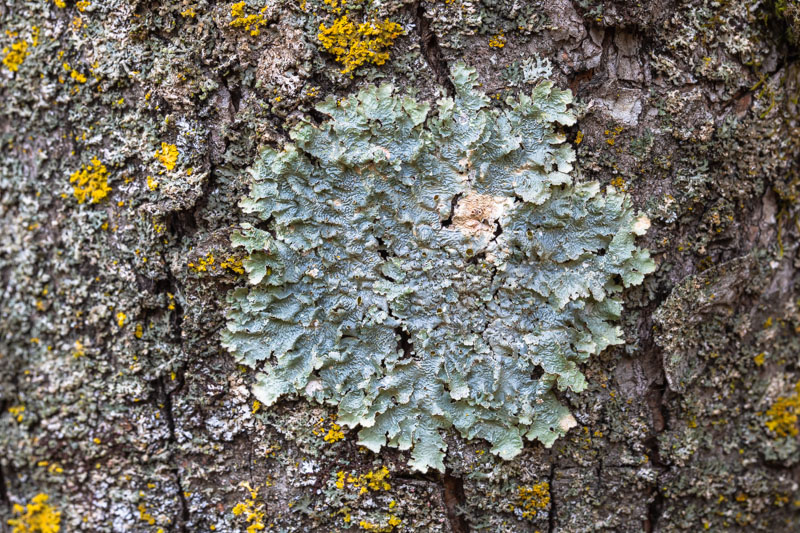
Lichens are symbiotic associations between fungi and photosynthetic partners, such as algae or cyanobacteria. They are important indicators of air quality and ecosystem health.
Mushrooms
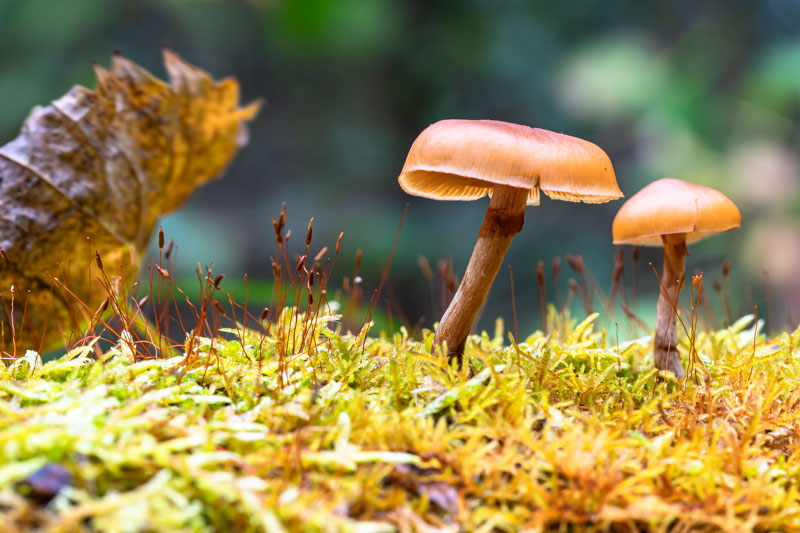
Mushrooms are the reproductive structures of fungi, often recognizable by their distinctive caps and stems. This collection highlights various mushroom species found in Minnesota's woodlands.
Puffballs
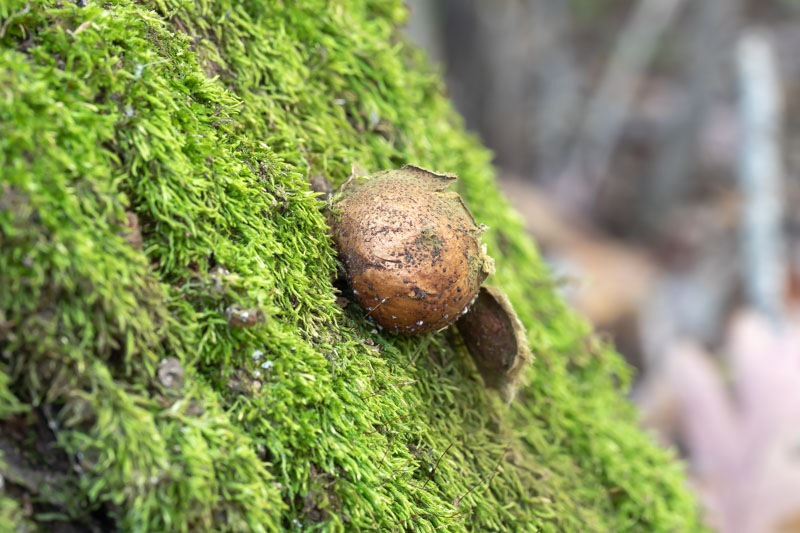
Puffballs are a group of fungi that produce their spores inside a closed fruiting body, which often has a distinctive shape. They include puffballs, earthstars, and stinkhorns.
Puffball Fungus
A round, white fungus that releases a cloud of spores when mature.
Rusts
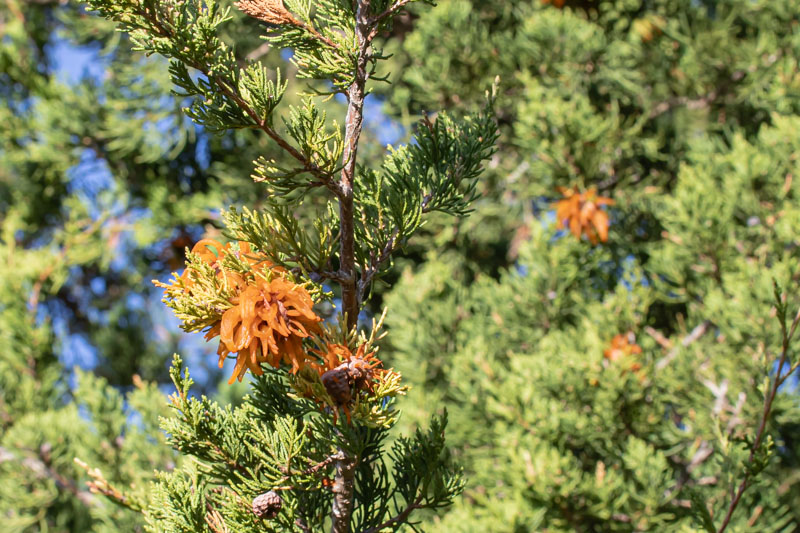
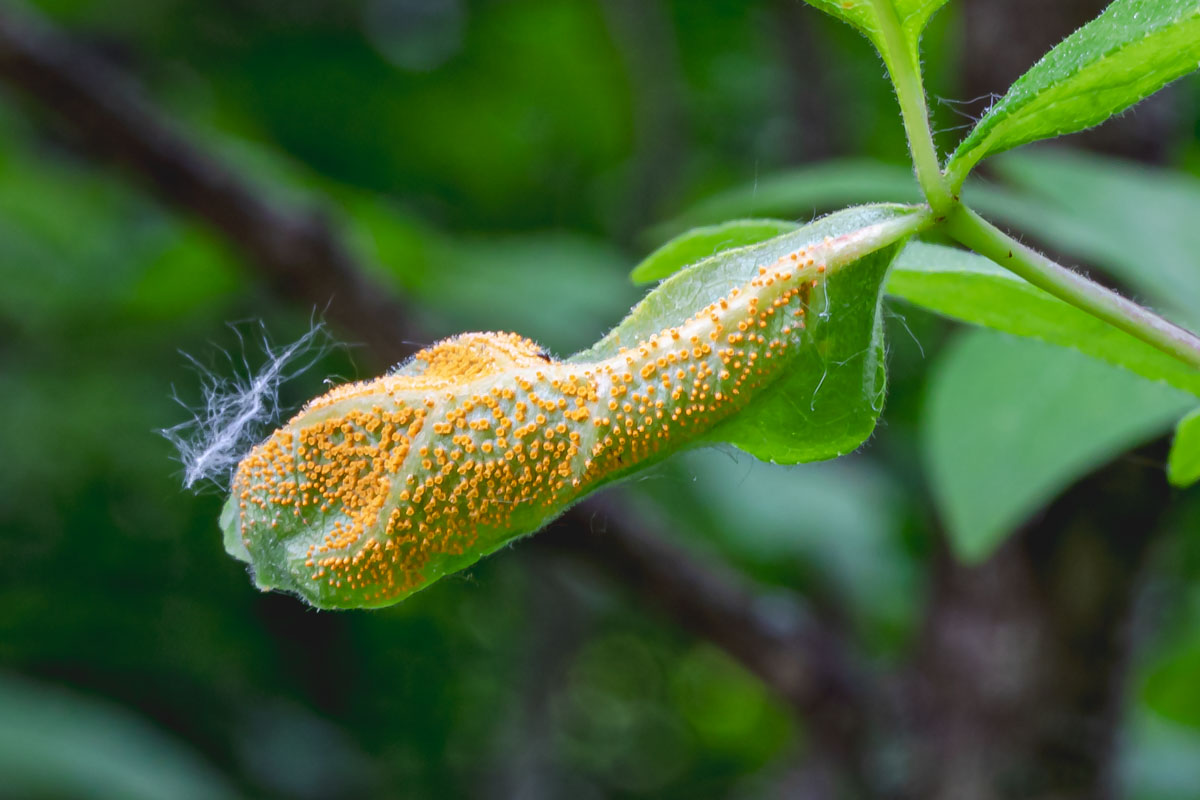
Rust fungi are plant pathogens that cause distinctive rust-colored lesions on their hosts. They have complex life cycles often involving multiple host species.