Insects
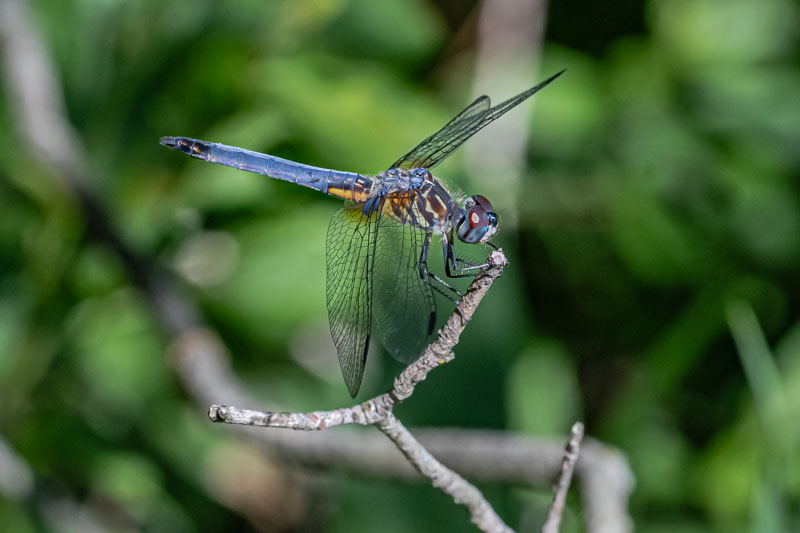
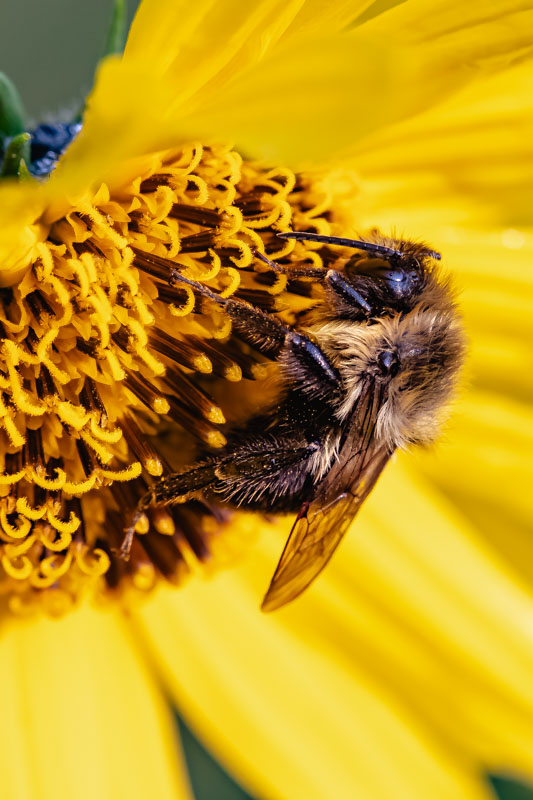
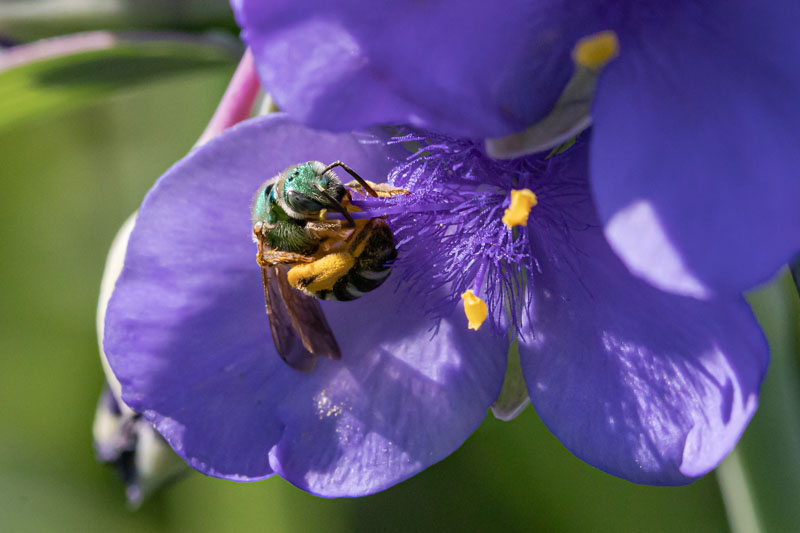
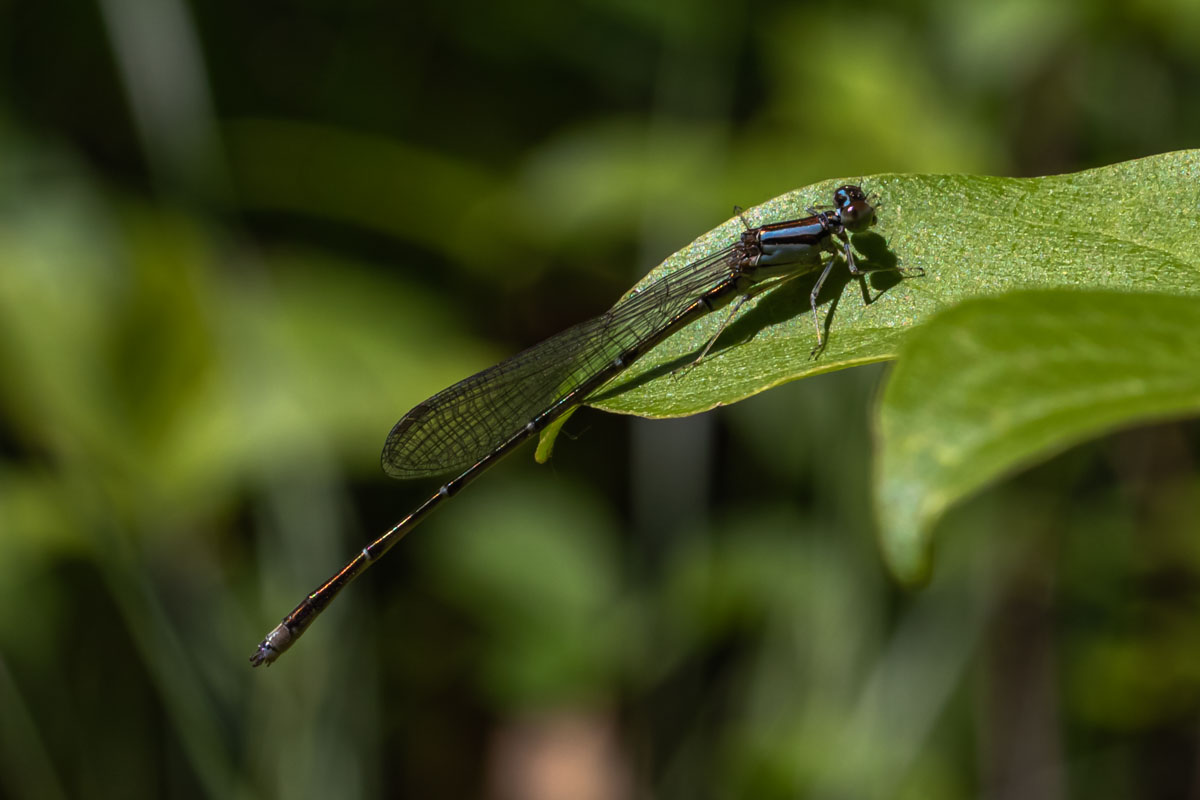
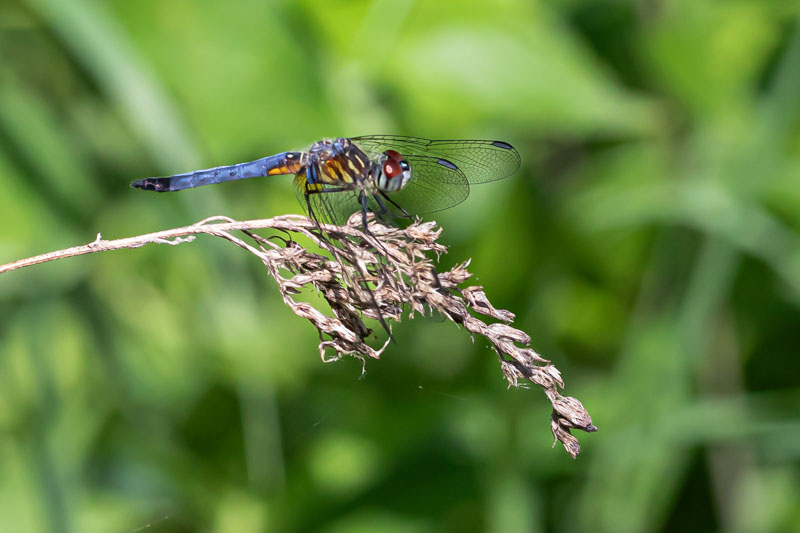
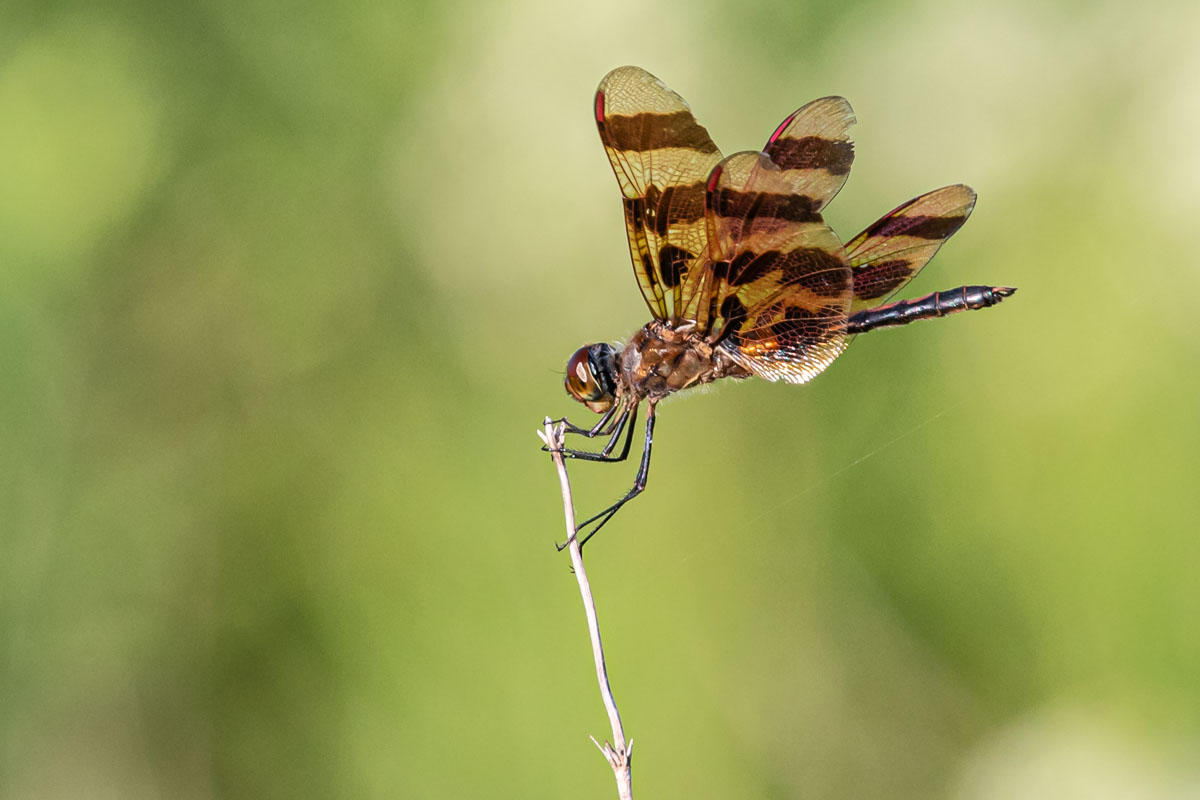
Insects reveal the close structure of the landscape — pollinators moving through flowers, beetles crossing leaf litter, damselflies holding low over water, and moths flashing color through meadow edges. Their lives are small in scale but large in consequence, shaping food webs, plant communities, and seasonal rhythms in quiet, essential ways.
Insect Groups
These galleries are organized by familiar field groups, with links into broader taxonomic notes where available. Use them as starting points for browsing behavior, habitat, and identification details.
 Bees, Hornets, and Wasps
Hymenoptera
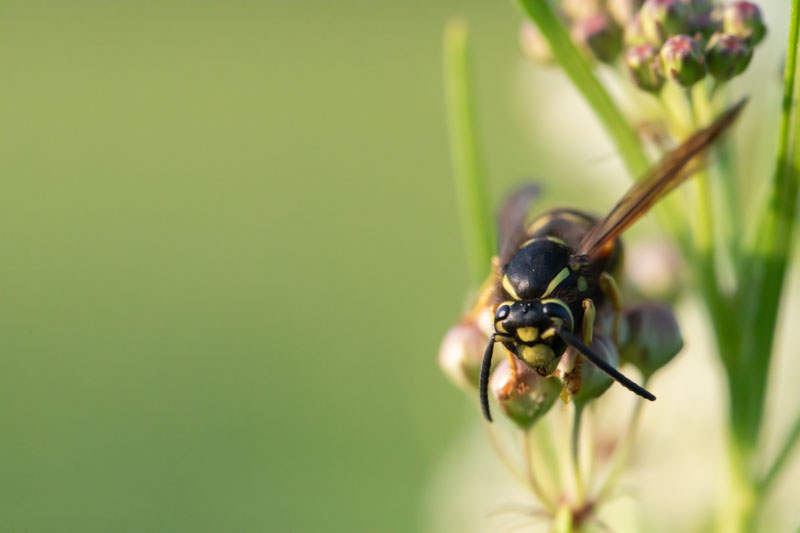
The bald-faced hornet is actually a type of wasp; these social wasps are highly protective and can sting repeatedly.
 Beetles
Coleoptera
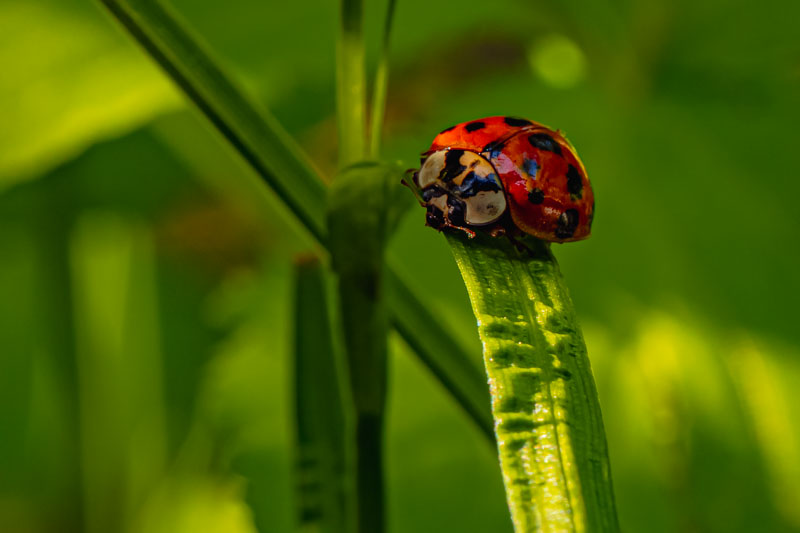
Bright red beetles, patterned elytra, and small armored forms that turn up on leaves, flowers, bark, and soil.
 Butterflies
Lepidoptera
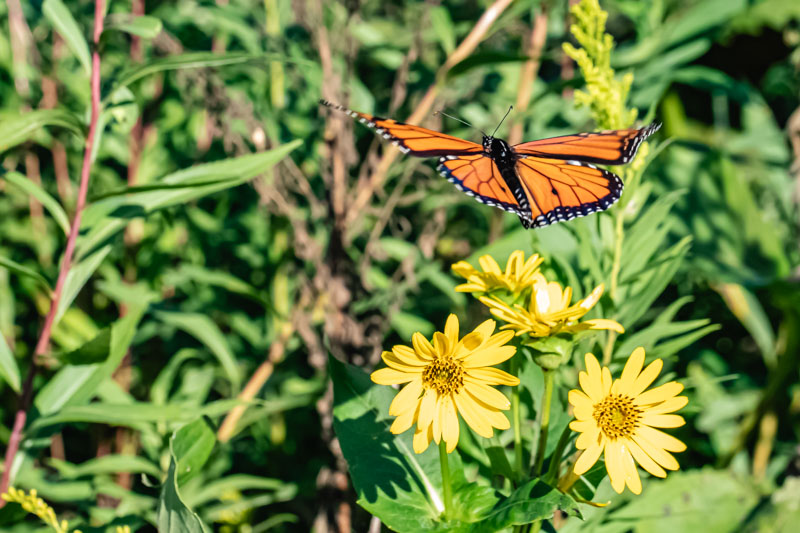
Monarchs, pearly-eyes, swallowtails, and other day-flying species with wing patterns shaped by season and habitat.
 Crickets
Orthoptera
Ground-dwelling and vegetation-dwelling singers whose calls mark warm evenings and changing seasons.
 Damselflies
Zygoptera
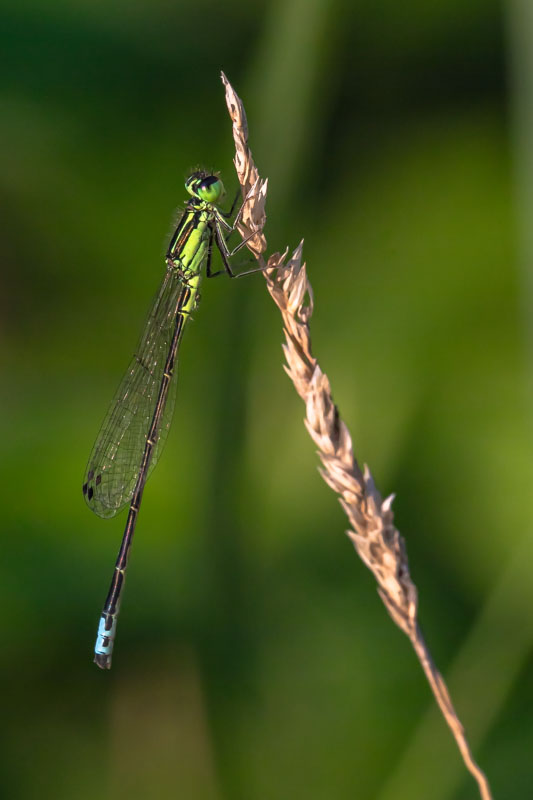
Familiar bluets, eastern forktails, and other slender hunters often found along ponds, marshes, and slow water.
 Dragonflies
Anisoptera
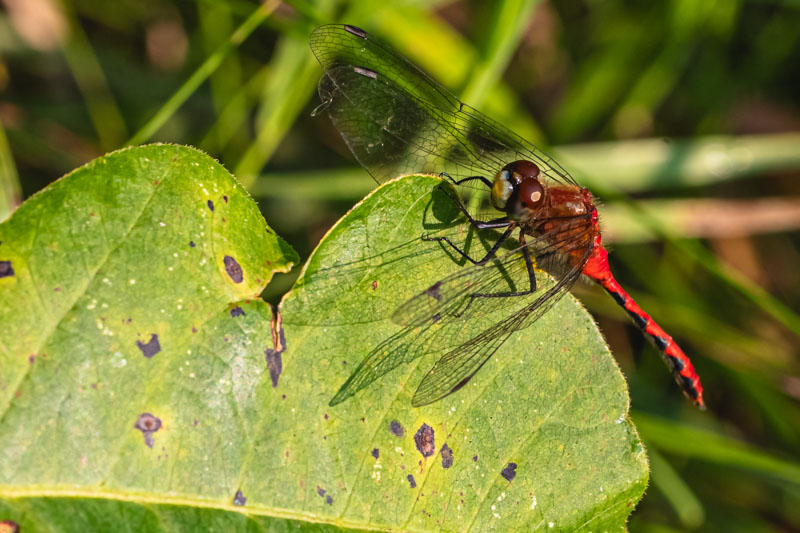
Larger aerial hunters with strong flight, bold perching habits, and field marks that often depend on thorax and wing details.
FliesDiptera
Assassin flies, crane flies, hover flies, and house flies—a diverse group with only one pair of functional wings.
GrasshoppersOrthoptera
Differential, red-legged, and two-striped grasshoppers often show their best field marks in profile and hind-leg patterning.
 Moths
MothsLepidoptera
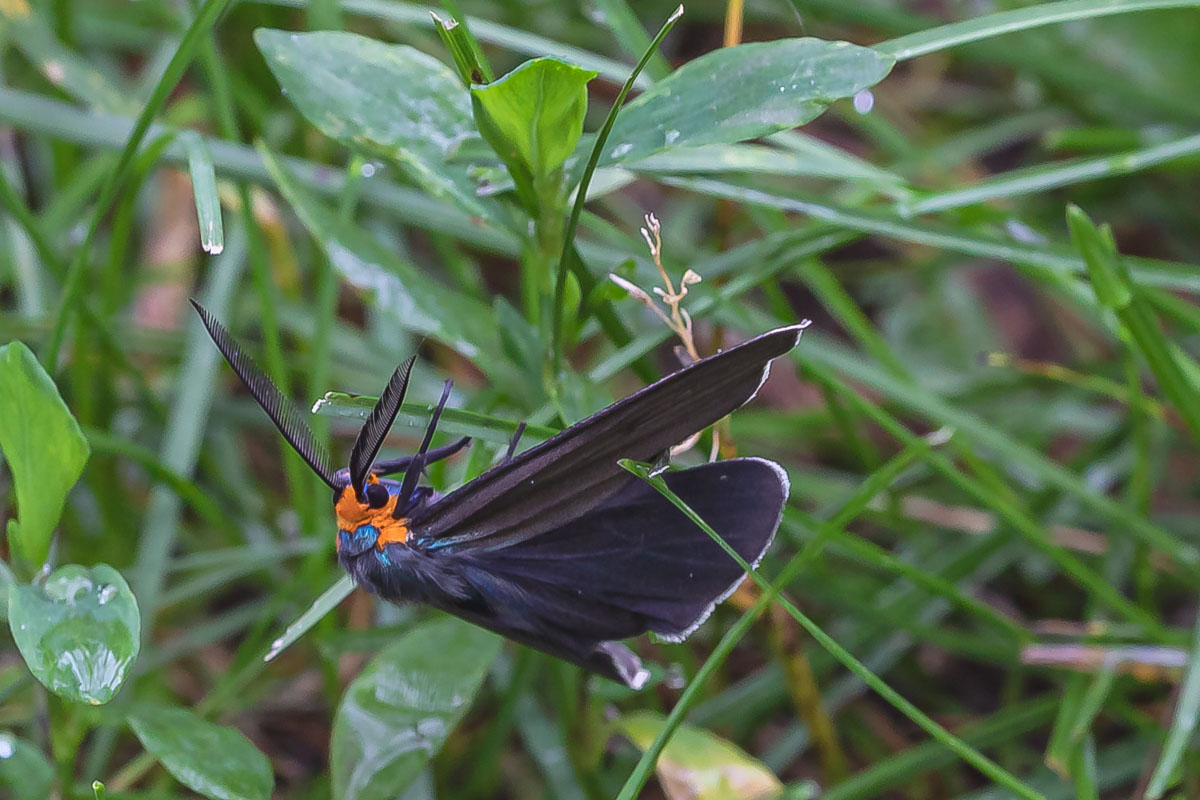
Day-flying and night-flying species, from metallic meadow moths to quiet forms resting on leaves and bark.
Featured Pages
Individual pages collect identification notes, behavior, habitat context, and related field observations.