R. Fraley

Dragonfly Families

Dragonfly Families

This page provides a working overview of dragonfly families (suborder Anisoptera), focusing on broad visual patterns useful for field recognition.

Rather than emphasizing strict taxonomy, the goal is to build pattern recognition—body shape, wing posture, flight style, and habitat preference—so that unfamiliar individuals can be placed into a meaningful group in the field.

Dragonfly families are generally easier to distinguish than damselfly families due to stronger differences in size, structure, and behavior. These groupings remain stable and widely accepted in modern odonate classification.


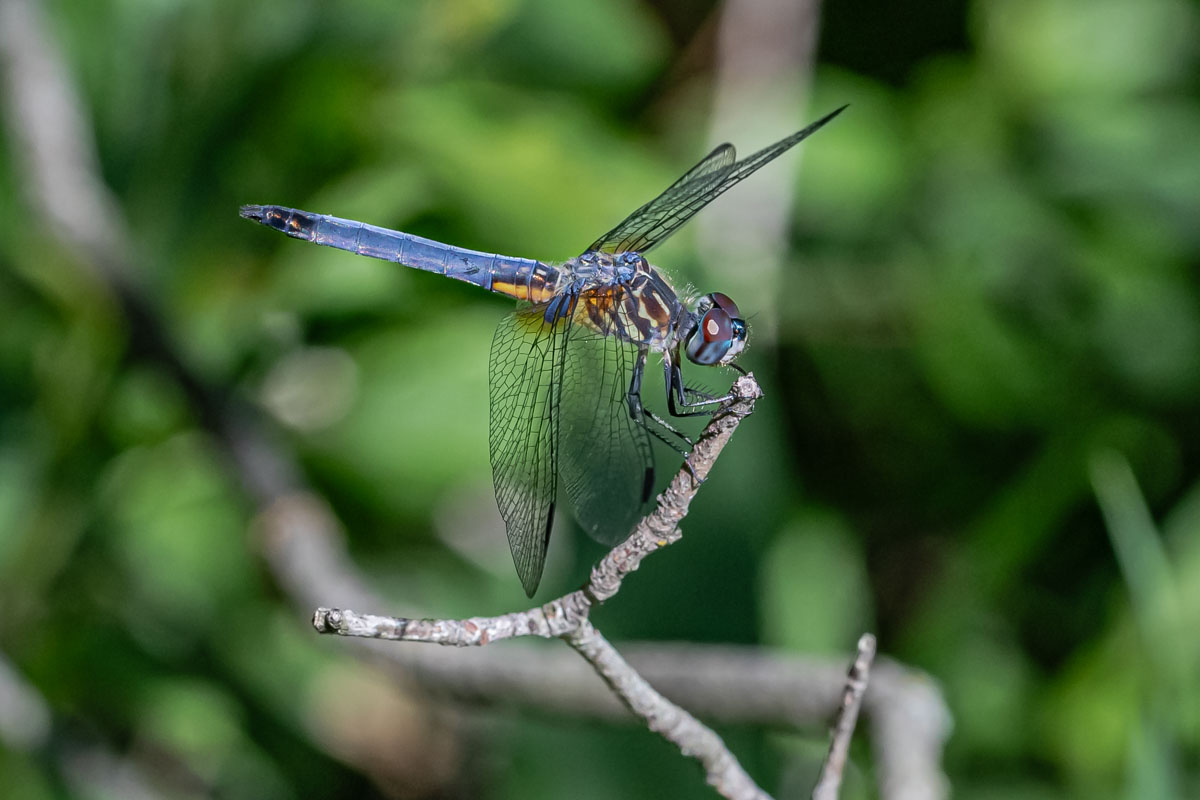
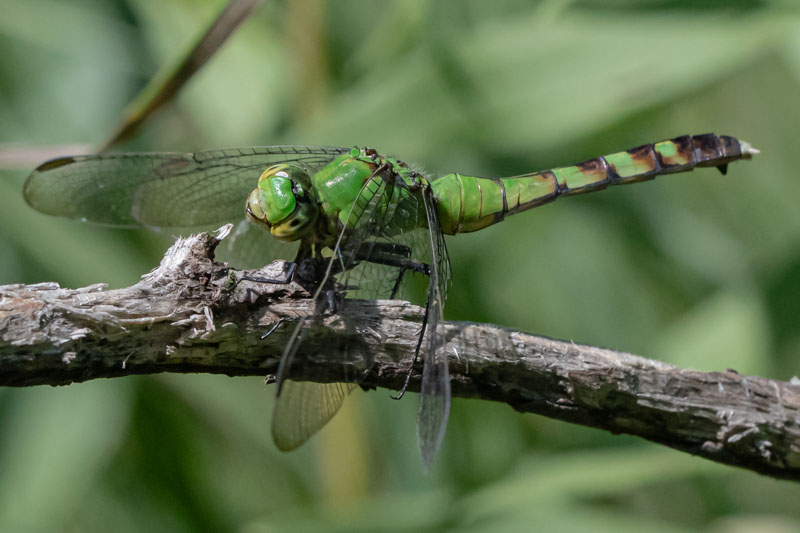
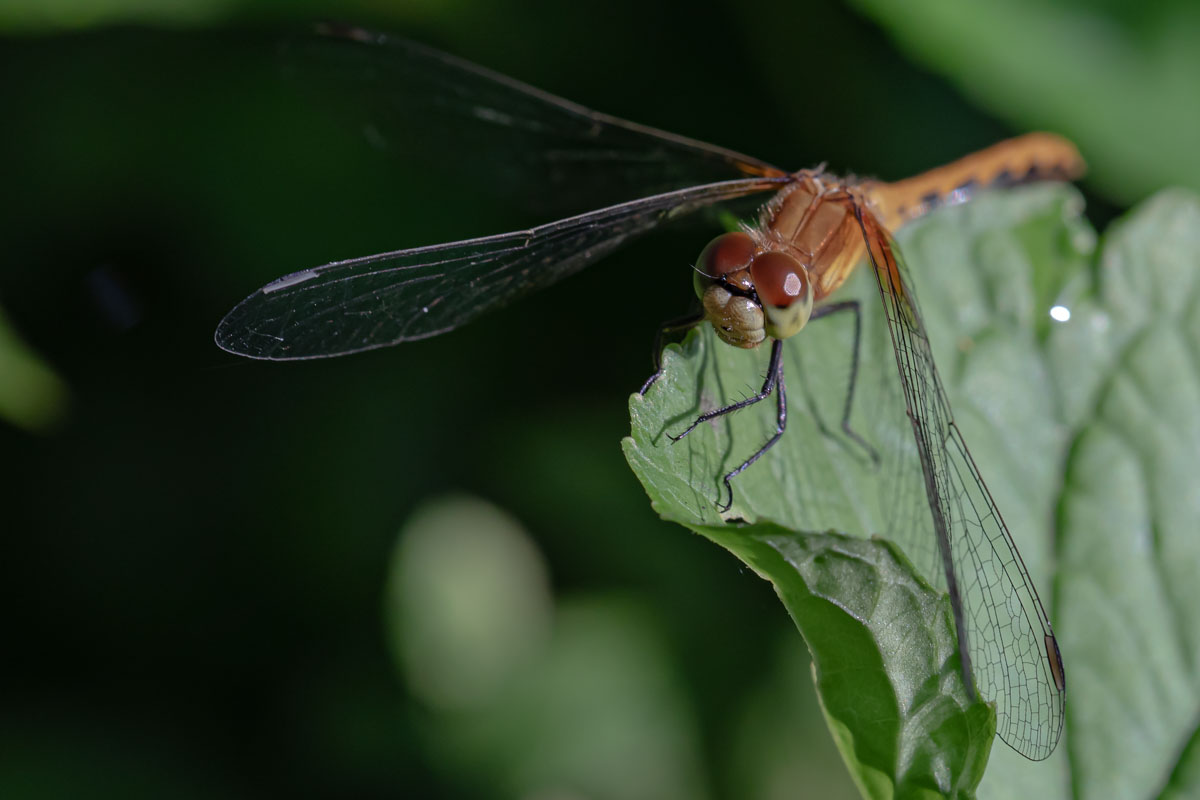
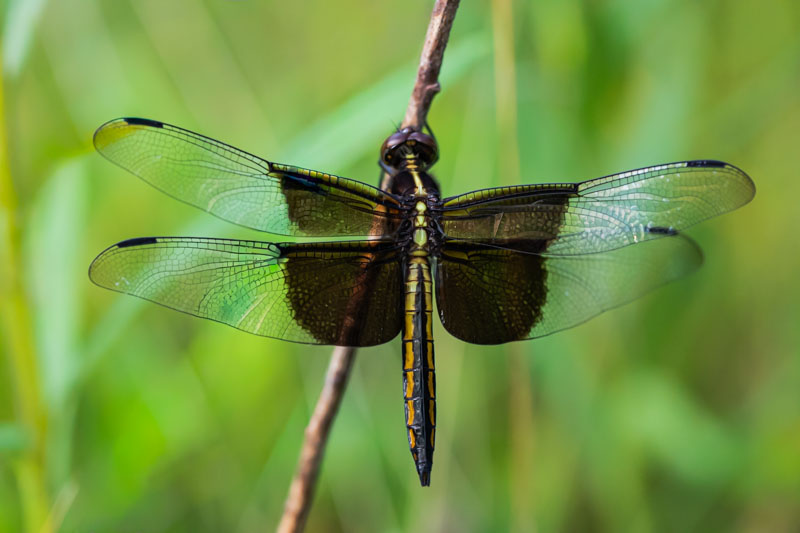
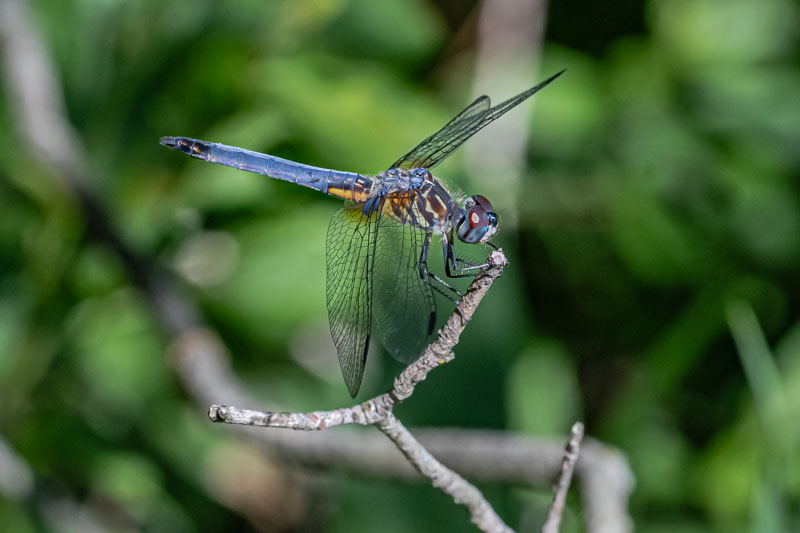
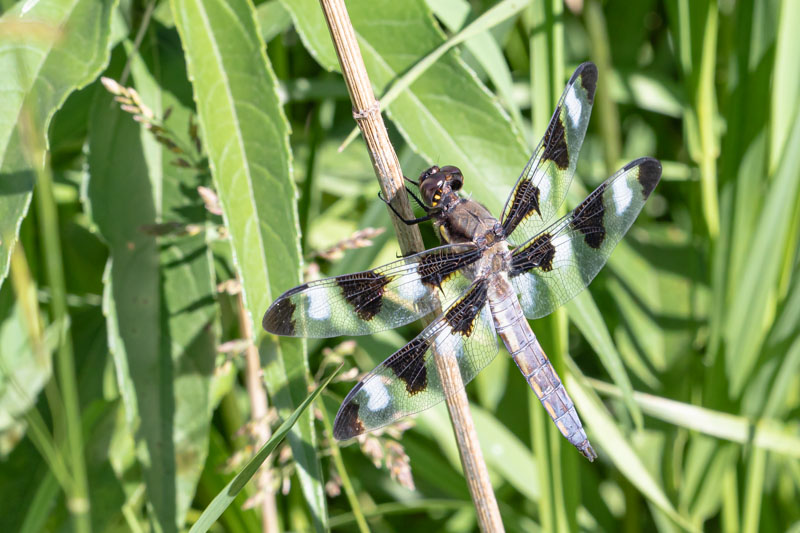
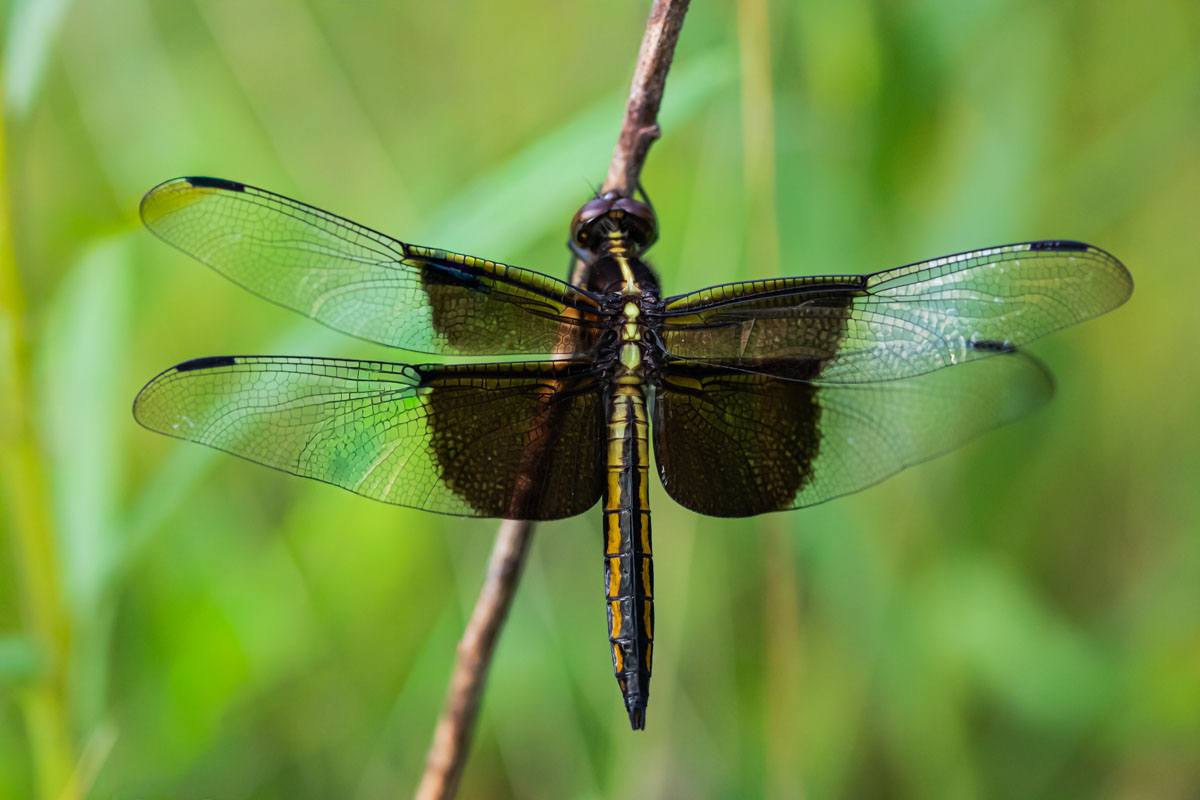
Skimmers (Libellulidae)

The largest and most familiar family of dragonflies.

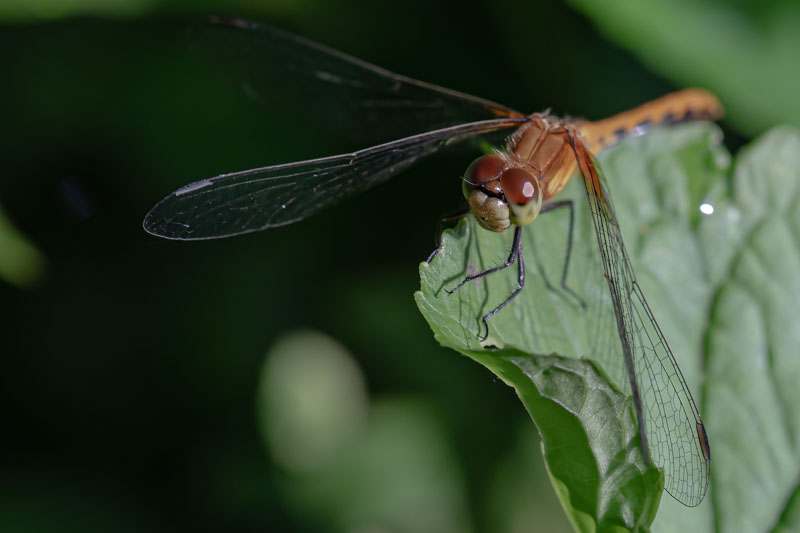
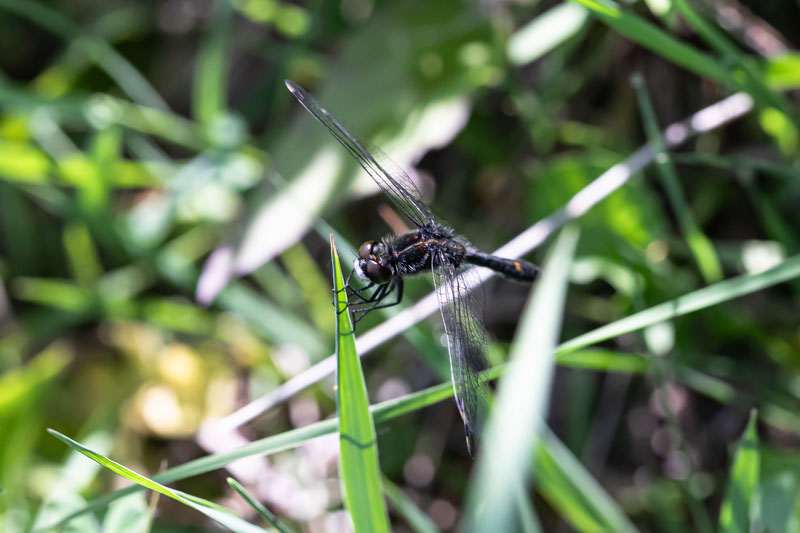
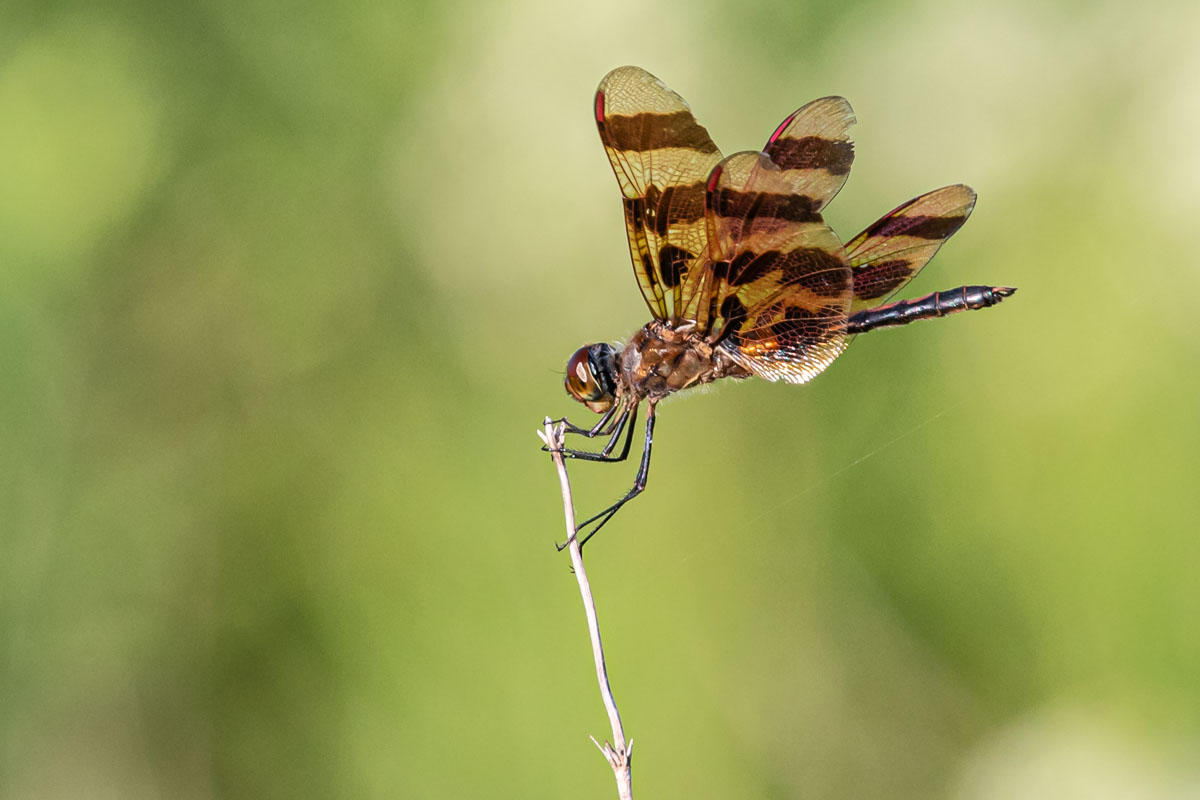
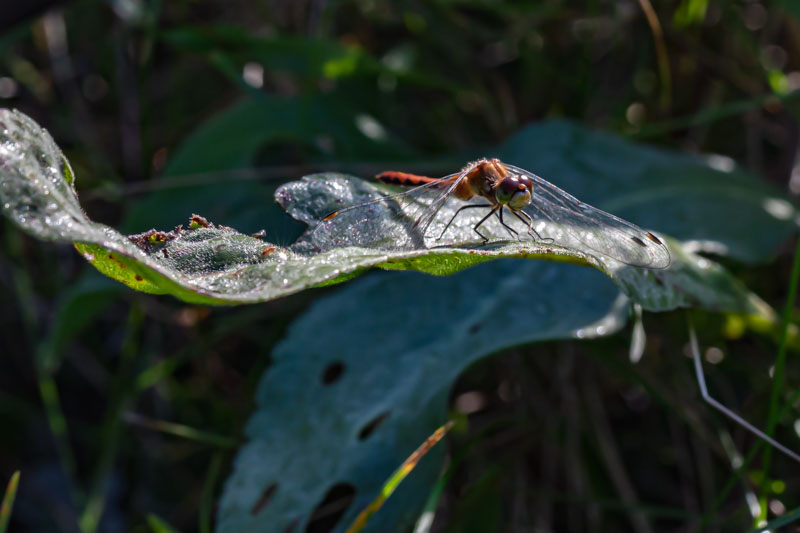
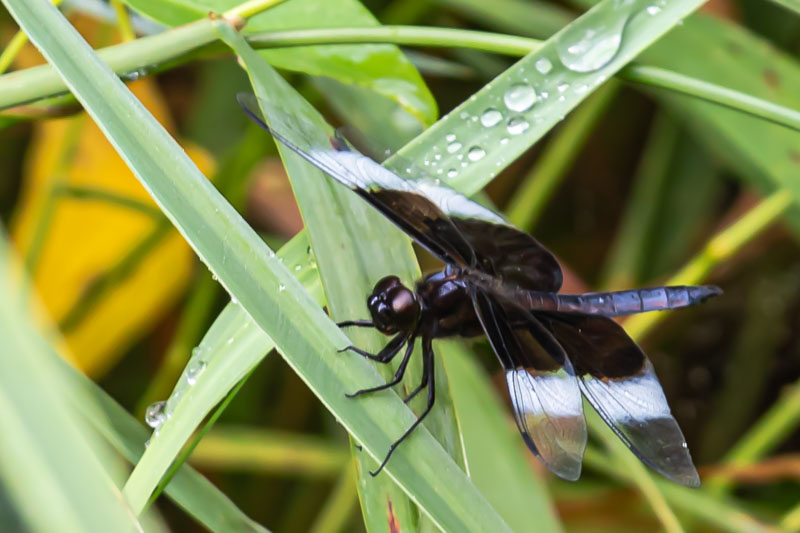
Skimmers are typically medium to large, with broad abdomens and often bold coloration or wing patterns. Many species perch frequently and return to the same spot, making them easier to observe.

Flight is often strong but not continuous, with short patrols and frequent landings.

Field marks:

Common examples:


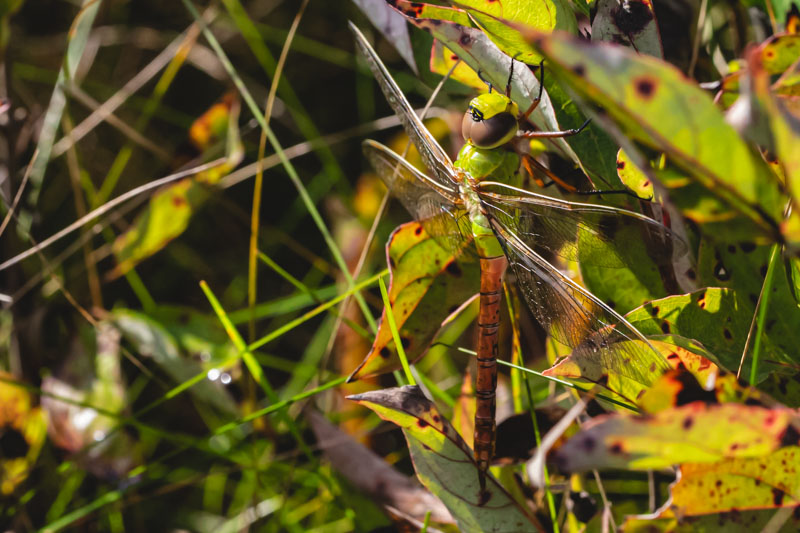
Darners (Aeshnidae)

Large, powerful dragonflies known for continuous flight.

Darners are among the strongest fliers, often seen patrolling shorelines or open areas without landing for long periods. Their long abdomens and large eyes give them a streamlined appearance.

Field marks:

Common examples:


Clubtails (Gomphidae)

A distinctive family with clubbed abdomens and widely separated eyes.

Clubtails are often found near clean streams and rivers. They frequently perch on the ground, especially on sand or gravel.

Field marks:

Common examples:


Cruisers (Macromiidae)

Fast-flying dragonflies that cruise continuously along waterways.

Cruisers are less often seen perched and are usually encountered as steady, patrolling fliers over rivers, lakes, or forest edges.

Field marks:

Common examples:


Emeralds (Corduliidae)

Metallic, often iridescent dragonflies with swift, agile flight.

Emeralds are named for their shiny green or bronze bodies and are often active in woodland ponds or shaded wetlands.

Field marks:

Common examples:


Spiketails (Cordulegastridae)

Large, striking dragonflies associated with clean, forested streams.

They are less commonly encountered and often fly low along shaded waterways.

Field marks:

Common examples:


Petaltails (Petaluridae)

A small and ancient family, rare and localized.

Petaltails are among the oldest dragonfly lineages and are rarely encountered. They are associated with specialized habitats like seeps and bogs.

Field marks:

Common examples:


Notes on Classification

Dragonfly families listed here reflect current, widely accepted taxonomy within Anisoptera. While species-level classification continues to evolve, family-level groupings remain relatively stable and useful for field study.

These categories provide a practical framework for:


Using This Page

This page is intended as a reference hub. Individual family pages (or species entries) may expand on:

Over time, this structure supports a shift from simple recognition to deeper observational understanding.