Passerellidae (New World Sparrows)
Passerellidae (New World Sparrows)
Passerellidae is a family of small, ground-oriented songbirds commonly referred to as New World sparrows. Members of this family are recognized by a combination of streaked brown plumage, conical seed-eating bills, and subtle but distinctive facial patterns.
They are most often associated with grasslands, woodland edges, wetlands, and brushy cover, where they may be seen perched low, foraging on the ground, or briefly rising to sing from exposed stems or shrubs.
In the field, they are frequently identified by shape, movement, habitat, and voice as much as by plumage.
Orientation
These notes emphasize field recognition, behavior, and comparison across species, rather than a complete taxonomic treatment.
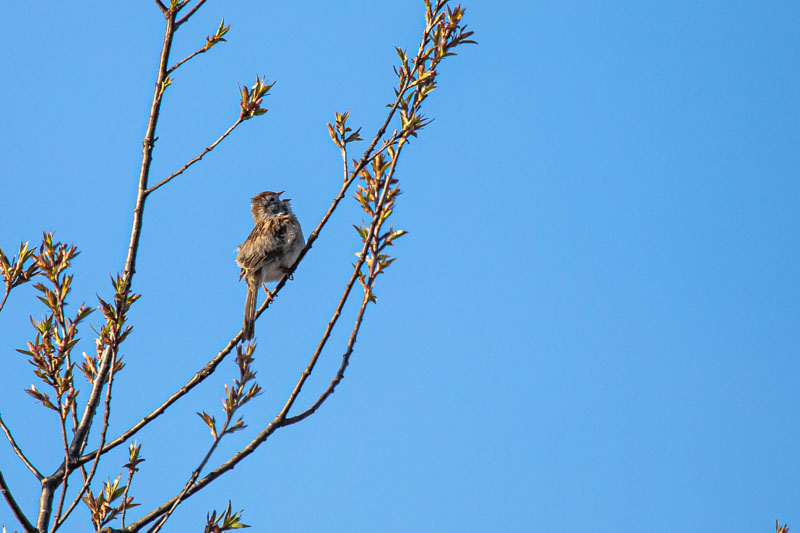 Spizella pusilla
(Field Sparrow)
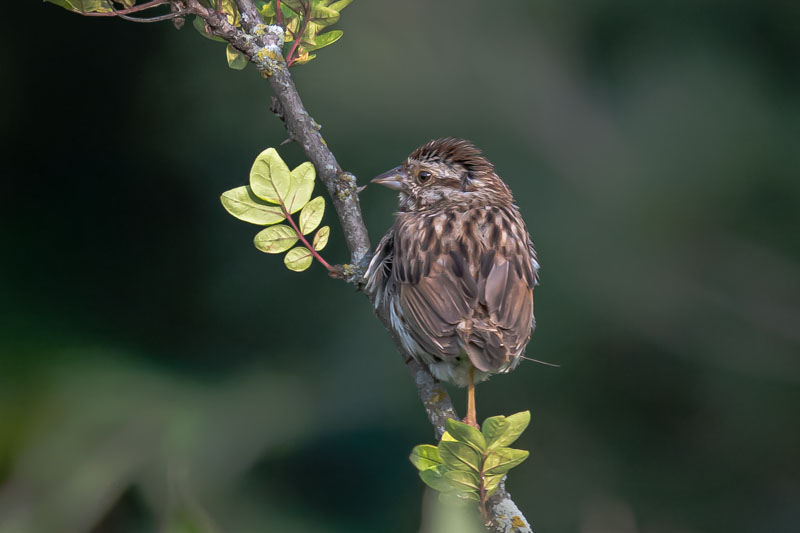 Melospiza melodia
(Song Sparrow)
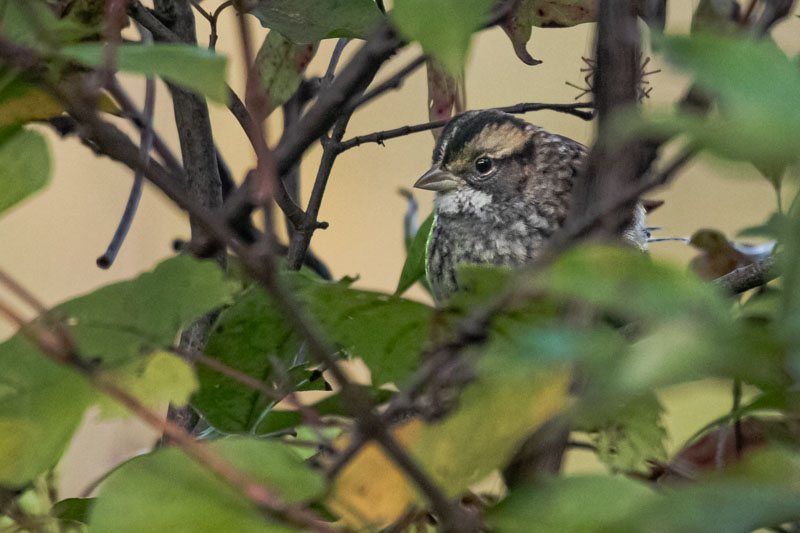 Zonotrichia albicollis
(White-throated Sparrow)
General Characteristics
- Size: Small (typically 4.5–7 inches)
- Bill: Short, conical, adapted for seeds but often used for insects in breeding season
- Plumage: Dominated by browns, grays, and buff tones; streaking and facial patterns are key
- Voice: Often musical and distinctive; many species are more easily identified by song
- Flight: Short, bounding or direct flights between cover
Habitat and Range
Members of this family are most often encountered in:
- Grasslands and prairies
- Wetland edges and marsh margins
- Shrubby fields and woodland edges
Seasonal patterns may include:
- Breeding in northern or open habitats with dense ground cover
- Migration through a wide range of habitats, often quietly
- Winter presence in mixed flocks or solitary individuals in brushy areas
Birds are often detected first by sound or sudden movement, especially when flushed from low vegetation.
Field Recognition
Key features for identifying this family:
- Shape: Compact body, relatively long tail in some species
- Bill: Conical and proportionate to head
- Plumage: Streaked underparts, facial stripes, and central breast spots in some species
- Movement: Ground foraging with quick hops and pauses
- Voice: Clear, repeated phrases or buzzy trills depending on species
- Behavior: Often secretive; brief exposure followed by retreat into cover
In many cases, behavior and habitat are more reliable than color alone, especially among similar-looking sparrows.
Movement and Flight
- Flight: Short, low, and often into cover
- Perching: Usually low, but rises to exposed stems for singing
- Foraging: Ground-based, scratching or picking among seeds and insects
- Display: Singing from elevated perches during breeding season
Movement patterns are often diagnostic and can allow identification before plumage details are visible.
Similar Families
This family may be confused with:
- Fringillidae (finches): Thicker bills, brighter coloration, more arboreal habits
- Icteridae (blackbirds): Larger size, longer bills, more open and conspicuous behavior
- Parulidae (warblers): Thinner bills, more active foliage foraging, brighter colors
Distinction is often based on structure, behavior, and voice, rather than plumage alone.
Species
Spizella pusilla (Field Sparrow)
A small, soft-faced sparrow of brushy edges and open fields in Minnesota, often noticed first by its clear song from exposed spring perches.
Melospiza melodia (Song Sparrow)
A widespread and highly variable sparrow, often found at wetland edges and brushy fields, frequently singing from low perches.
Notes
- Common across Minnesota in a wide range of habitats
- Many species show regional variation in plumage tone and pattern
- Songs are often the most reliable identification tool in spring and summer
- Brief, low flights into cover are a key behavioral cue
References
-
Cornell Lab of Ornithology – All About Birds
https://www.allaboutbirds.org -
eBird
https://ebird.org -
Birds of the World / regional atlas as needed
https://birdsoftheworld.org