Anseriformes
Anseriformes is an order of birds that includes ducks, geese, and swans. These birds are commonly known as waterfowl and are characterized by their webbed feet and adapted beaks for feeding in aquatic environments.
Orientation
This section provides an overview of the order Anseriformes, including key characteristics, habitat preferences, and notable species within the group. It serves as a guide for understanding the diversity and ecological roles of waterfowl in various environments.
General Characteristics
Anseriformes are known for their distinctive features, including webbed feet for swimming, broad bills adapted for filtering food from water, and a variety of plumage patterns that aid in camouflage and mating displays. They are primarily aquatic birds, often found in wetlands, lakes, and rivers, where they feed on a mix of plant material and small aquatic animals.
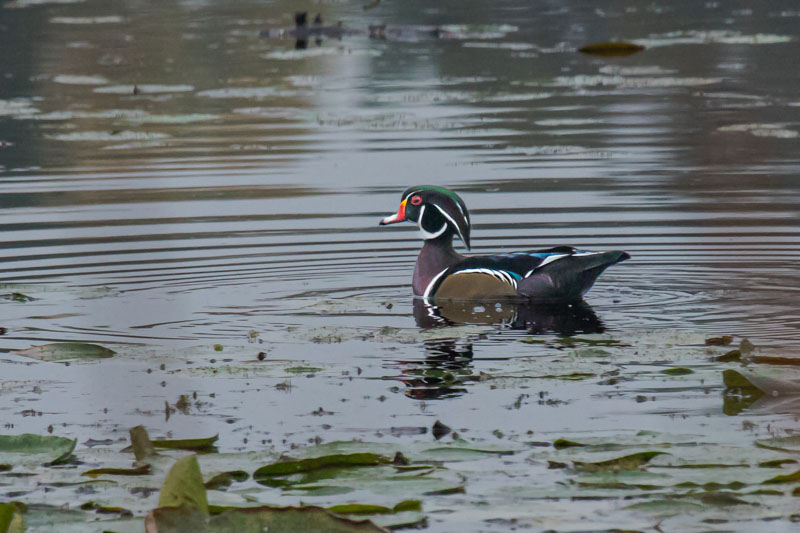
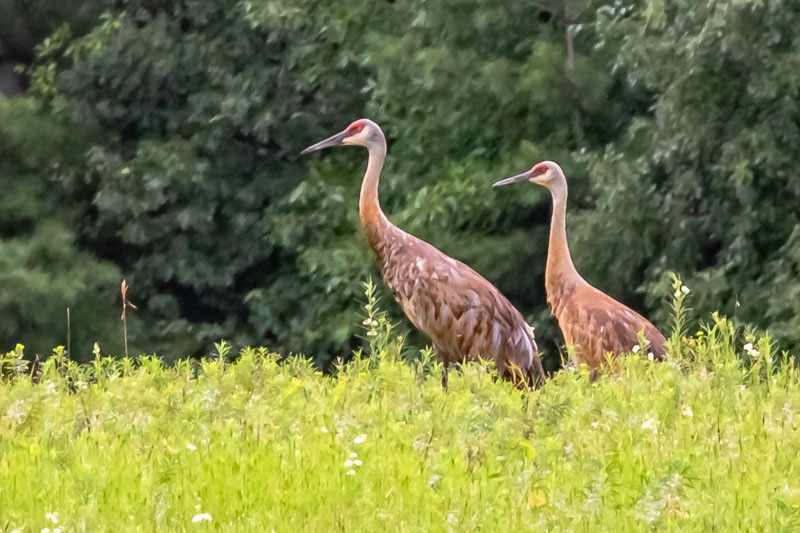
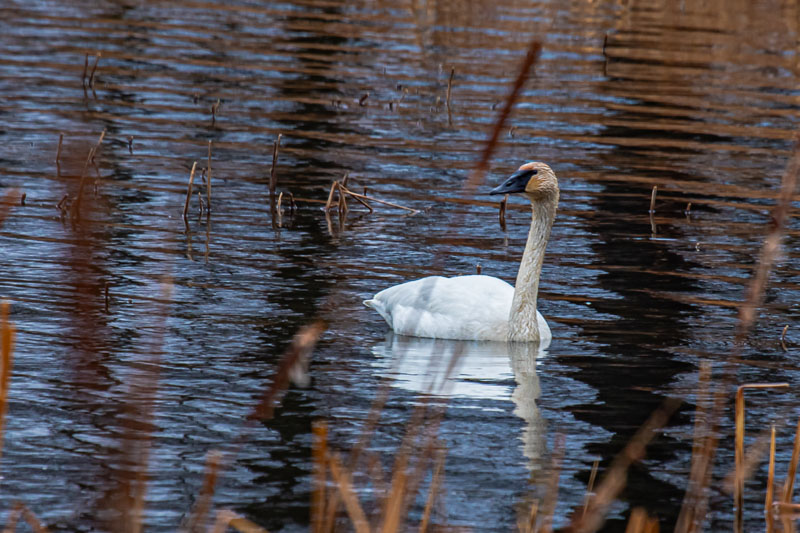
Field Recognition
When identifying Anseriformes in the field, look for the following key features:
- Webbed feet for efficient swimming.
- Broad bills adapted for filtering food from water.
- Distinctive plumage patterns that vary among species but often include a mix of colors and markings for camouflage and mating displays.
- Preference for aquatic habitats such as wetlands, lakes, and rivers.
These characteristics help distinguish Anseriformes from other bird orders and provide clues to their ecological roles and behaviors in natural environments.
Families
The order Anseriformes is divided into several families, each with distinct characteristics and ecological roles. Some of the notable families include:
Anatidae
This family includes ducks, geese, and swans, characterized by their webbed feet and broad bills adapted for aquatic feeding.
Anhimidae
Known as screamers, these birds are found in South America and have long legs and distinctive vocalizations.
Anseranatidae
This family includes the magpie goose, a unique species with a mix of duck-like and goose-like features.
Tadornidae
This family includes shelducks, which are medium-sized waterfowl with distinctive plumage and a preference for coastal and inland water habitats.
Dendrocygninae
This subfamily includes whistling ducks, which are characterized by their long legs, slender bodies, and distinctive whistling calls. They are often found in wetlands and marshes.
Oxyurinae
This subfamily includes diving ducks, which are known for their streamlined bodies, short bills, and ability to dive underwater to feed on aquatic plants and small animals. They are commonly found in freshwater habitats such as lakes and ponds.
Merginae
This subfamily includes mergansers, which are characterized by their long, slender bills with serrated edges for catching fish. They are often found in rivers and lakes, where they dive to feed on aquatic prey.
Anatinae
This subfamily includes a variety of ducks, such as mallards and teals, which are known for their diverse plumage patterns and adaptability to different aquatic habitats. They are commonly found in wetlands, lakes, and rivers, where they feed on a mix of plant material and small aquatic animals.